
I didn’t make it to my first real concert until 2016, and by then I think music culture had changed quite a bit from what I grew up expecting. I’d seen plenty of movies and TV shows with the famed rock show encore—the lucky experience of a few bonus songs when a show was something truly special. But… encores seem to be standard now in the heavy music space. The “one more song” chant is a tired ritual expected from the crowd, with the band feeling let down if people begin to filter out without even trying to squeeze out a little more. Someone else can correct me if this has just been the norm for as long as live music has existed, but something tells me it’s a newer phenomenon. (I have a few snippets from backstage interviews to back me up, too.)
Where did the fake encore come from?
So why is the encore a required ritual? Maybe it’s the continuing rising ticket prices and a desire to give fans as much content as possible. Maybe it’s the rise of social media adding pressure for big moments.
Honestly, I don’t think it’s even that deep. It’s practical—just another tool in the show production kit. Songs are more complicated now. The vocals are layered. The screaming takes a lot. Combine that with tours becoming more and more expensive, with shows stacked on top of each other and only the occasional rest day here and there. After all, a day off still means paying the crew, hotel, and food—without ticket sales or a cut of the venue bar to help cover costs.
Why am I rambling about tour costs when we were supposed to be talking about encores? Because show after show after show is HARD. Those musicians are tired, and after 60 minutes of jumping around with heavy vocals and high-energy tracks, they need a breather. Welcome to… the encore. See, they know what songs the crowd is waiting for—and they’re part of the set. But they need a break, and meandering guitar solos are more from an earlier era and less a part of metalcore style. The encore gives everyone a moment to breathe, drink water without scrambling to get back on beat, and reset. Then, they can come out and play their most popular songs at 100%, rather than struggling through them.
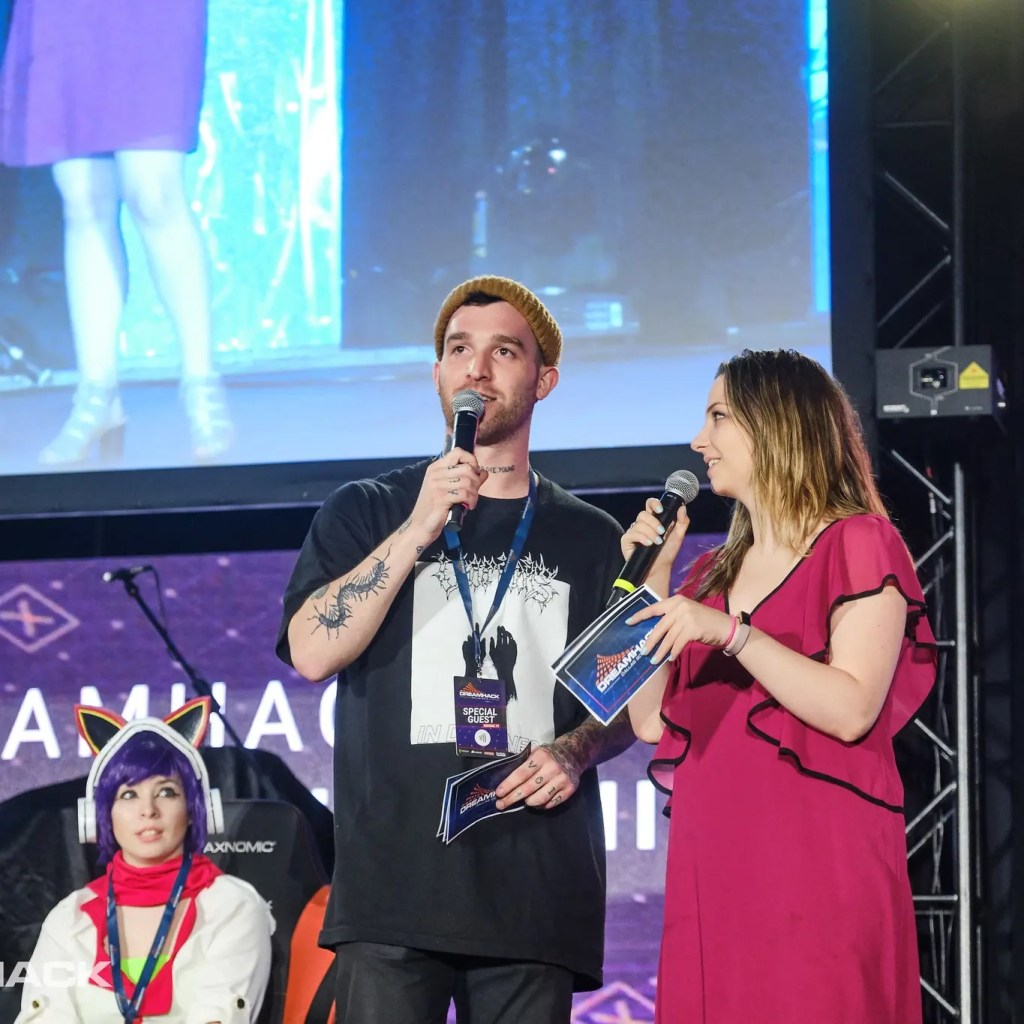
When I booked Set It Off for a gaming convention in 2023, their lead singer (Cody) pretty much laid out this exact scenario. Since then, I ask just about everyone I interview about the “fake” encore—always a little worried I might offend them, but my curiosity usually wins.
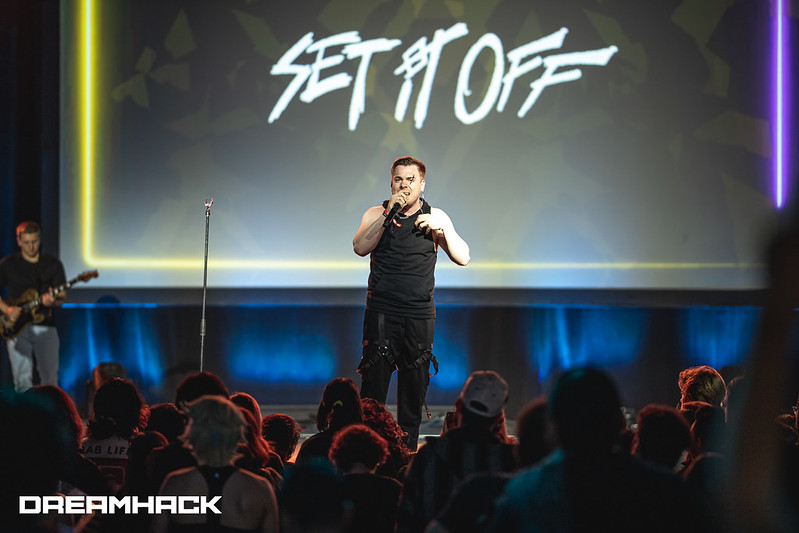
Photo by Rikard Fagerberg
So I asked a few bands…
- Halestorm – No encore, but they do have Arejay do a super long drum solo while Lzzy does an outfit change and grabs a drink. Plus, they were co-headlining, so it’s weird to do an encore when you’re not necessarily the last act every night.
- Motionless in White – I’ve seen these guys at least eight times, and the encore status is unpredictable. The encore is probably on their set list— meaning they know before the show if it’s happening or not—but it doesn’t happen at every show. Surprisingly, I’ve never actually asked them how they feel about the faux-core.
- Three Days Grace – I am aware that I opened this article talking about metalcore and I’m now on my third non-metalcore artist, but that’s a reality of my polyjamorous life everyone will have to accept. Anyways, the big news with Three Days Grace is that Adam Gontier is back in the band, co-lead singing with Matt Walst, who has been the frontman for the last decade. I just interviewed them in June and blatantly asked, “So does this mean you can skip the fake encore now that you have two singers to split the work?” Adam and Matt practically giggled and confirmed that yes, the fake encore isn’t happening because they don’t need the break—and they want to respect the venue and other bands’ schedules.
(On a separate note, Three Days Grace also referred to themselves as both Divorced Dad Rock and Butt Rock, and that little fact didn’t make it into the official interview write-up, so I had to share it somewhere.)
What’s does the end of the faux-core mean for a band?
I think some bands love the encore for the drama and the show. I think some need the encore just to make it through their set. And I think some are doing it because everyone else does—and social media has warped how we think about and experience live music. But something I’ve noticed: the more successful the band, the more relieved they sound when I ask if they feel like they need to do the encore. They can relax into knowing it’s a surprise-and-delight feature, not a required element of their show anymore.
At the end of the day, the bands love to perform—but they want to do it their way and share who they really are up on that stage. So I cheer for the day they can leave the faux-core behind, because that’s the day they remember why they started doing all of this in the first place, and they can let the show flow naturally.
What are your thoughts? Should encores be standard, or should they be something extra driven by a truly special crowd?
Enjoy reading my music ramblings, artist interviews, and discovering new music? Please consider subscribing to my website to get new posts delivered to your inbox! If I can build my subscriber list, I can unlock new opportunities to work with musicians we all know and love along with highlighting new names!

Leave a comment